

12 Mindfulness Practices for Daily Living That Bring Peace and Clarity
In today’s world of constant notifications, endless tasks, and unrelenting pressure to stay connected, peace often feels like a luxury. Yet, mindfulness reminds us that peace is not something far away — it is available in every moment if we learn how to return to the present.
Mindfulness is simply the art of paying attention, with intention, without judgment. It can be as simple as taking a deep breath, noticing the taste of your morning tea, or listening with full presence when someone speaks. Over time, these small practices create big changes: reduced stress, deeper clarity, and a sense of calm even in the middle of chaos.
Below are 12 mindfulness practices you can begin weaving into your daily life. Each is practical, powerful, and flexible enough to fit into your unique lifestyle.
1. Mindful Breathing
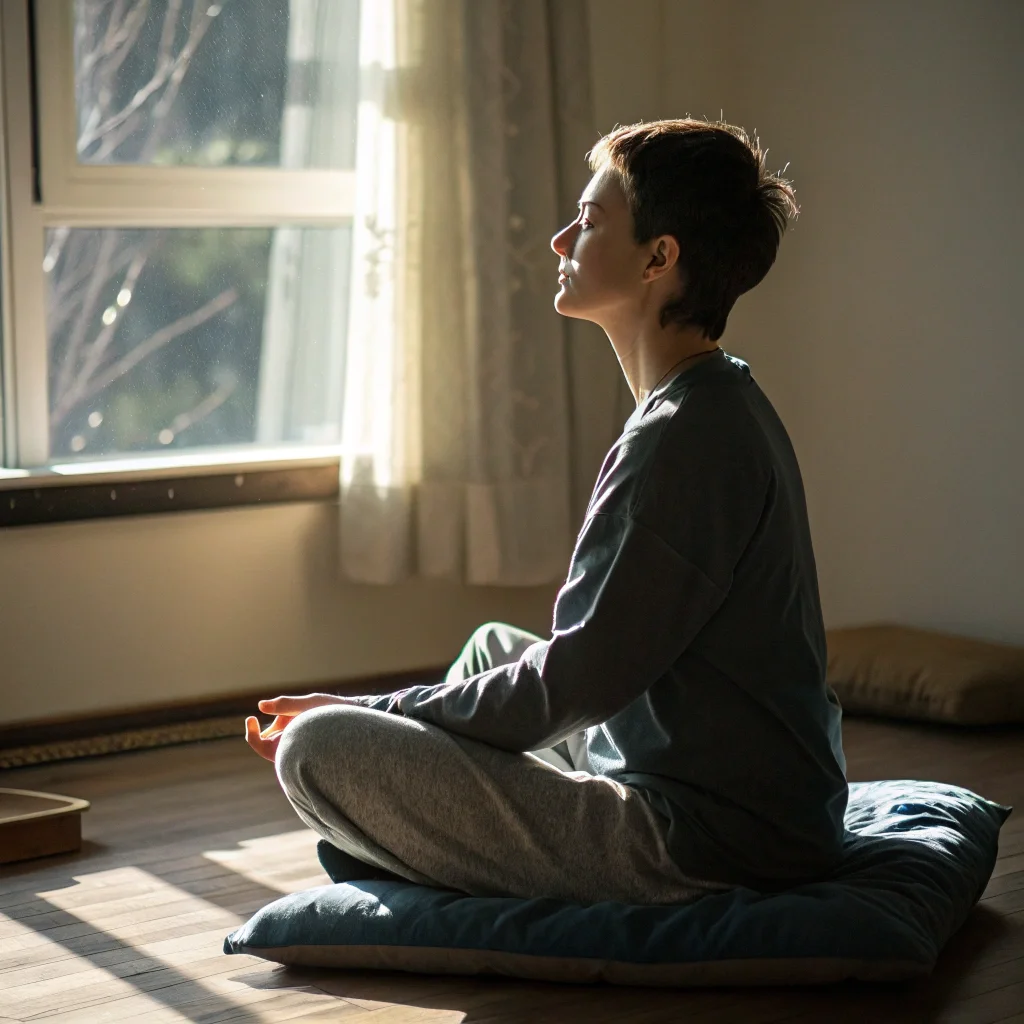
Mindful breathing is the simplest and most effective way to anchor yourself in the present moment. Our breath is always with us, making it a portable tool for peace.
To practice, sit comfortably or stand where you are. Inhale slowly through your nose, feeling your belly expand. Then exhale gently through your mouth, noticing the air leaving your body. Place your full attention on the rhythm of your breathing — the rise and fall, the coolness of the inhale, and the warmth of the exhale.
Even 2–3 minutes of mindful breathing can reset your nervous system, reduce stress, and bring clarity. You don’t need a meditation cushion or a quiet room — you can practice in traffic, at your desk, or while waiting in line. Over time, this small practice cultivates a deep sense of calm that follows you everywhere.
2. Gratitude Journaling

Gratitude journaling transforms the way you see your life. Instead of focusing on what’s missing, you begin to notice what’s already beautiful and abundant.
Each day, write down three things you’re grateful for. They don’t have to be big — it could be the warmth of the sun, a smile from a stranger, or your morning cup of coffee. The key is consistency. When you put your gratitude into words, your brain rewires itself to spot more positivity throughout the day.
Over time, this practice builds resilience. On tough days, your journal becomes a reminder that joy and blessings are always present, even in small ways. Gratitude journaling is mindfulness in written form — a conscious pause to honor the present moment.
3. Nature Walks

Nature is one of the greatest teachers of mindfulness. When we step outside and pay attention, the world comes alive in ways we often overlook.
Take a slow walk in a park, forest, or even your neighborhood. Notice the texture of the ground beneath your feet, the sound of birds, the rustling of leaves, and the feeling of air on your skin. Breathe deeply and allow yourself to simply be with what you see, hear, and feel.
This practice doesn’t require hours of hiking — even 10 minutes of mindful walking can calm your mind. The simplicity of nature reminds us that peace isn’t complicated. By connecting with the natural world, you reconnect with yourself.
4. Digital Detox

Screens dominate our attention. While technology is useful, constant exposure leaves us overstimulated and distracted. A digital detox gives your mind space to rest.
Choose a time each day (or week) to unplug from phones, social media, and emails. Use this time to read, rest, or engage in a creative hobby. Notice how your body feels without the constant pull of notifications.
When you step away from digital noise, you rediscover the richness of the present moment. You may notice silence, conversations, or even your own thoughts more deeply. A digital detox isn’t about rejecting technology — it’s about reclaiming your attention.
5. Mindful Eating

Eating can easily become automatic, rushed, or distracted. Mindful eating brings your awareness back to the simple act of nourishing your body.
The next time you eat, pause before your first bite. Notice the colors, textures, and aromas of your food. Chew slowly, tasting each flavor fully. Set aside your phone or television, and allow yourself to be present with your meal.
Mindful eating not only enhances your enjoyment of food but also helps you recognize your body’s signals of hunger and fullness. It transforms meals into moments of gratitude and presence, instead of just another task in the day.
6. Body Scan Meditation
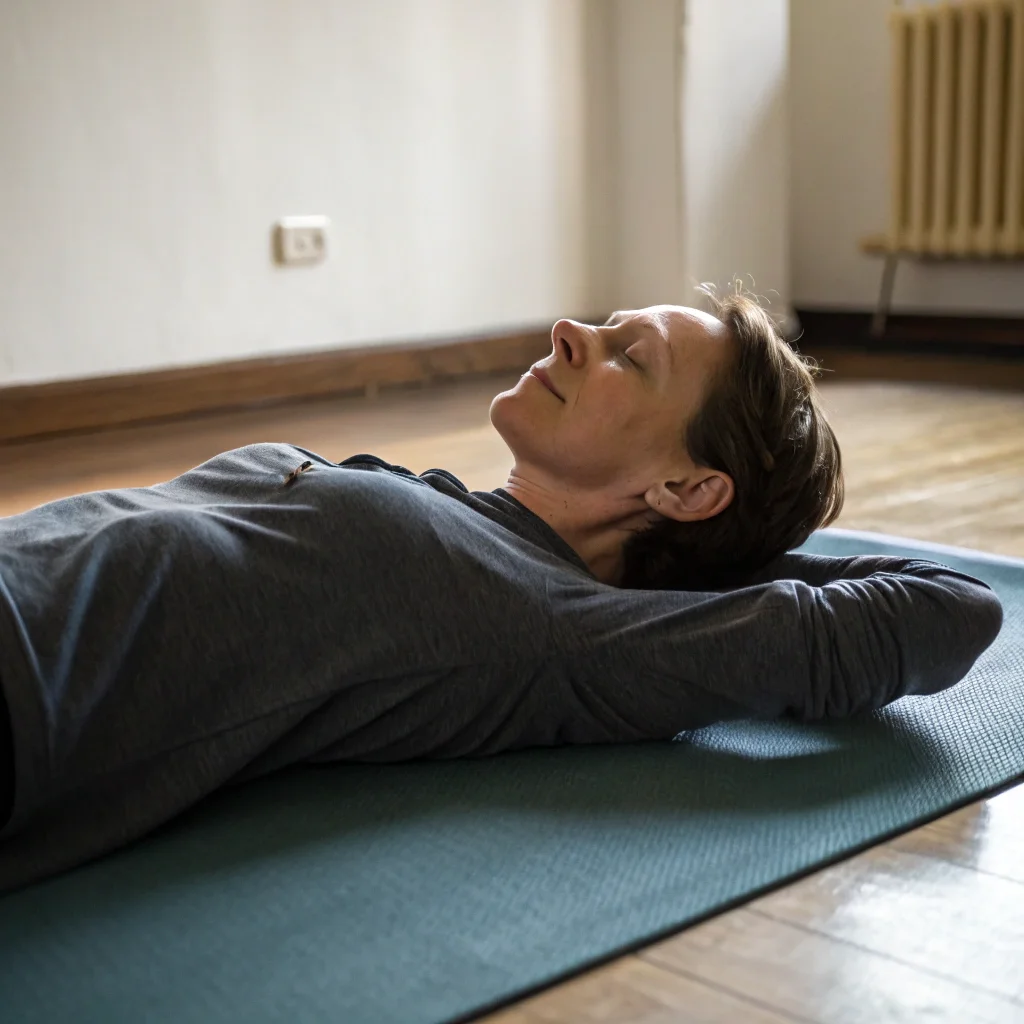
The body often carries stress silently — in tight shoulders, clenched jaws, or tense stomachs. A body scan meditation helps you reconnect with and relax your physical self.
Lie down or sit comfortably. Close your eyes and bring awareness to your toes. Slowly move your attention up through your body — feet, legs, abdomen, chest, arms, neck, and head. At each point, notice sensations: warmth, tension, heaviness, or relaxation.
If you notice discomfort, simply acknowledge it without judgment. Imagine sending your breath into that area, softening it gently. By the end of the scan, your body feels lighter, and your mind calmer. This practice strengthens the mind-body connection and reduces hidden stress.
7. Morning Mindfulness Ritual
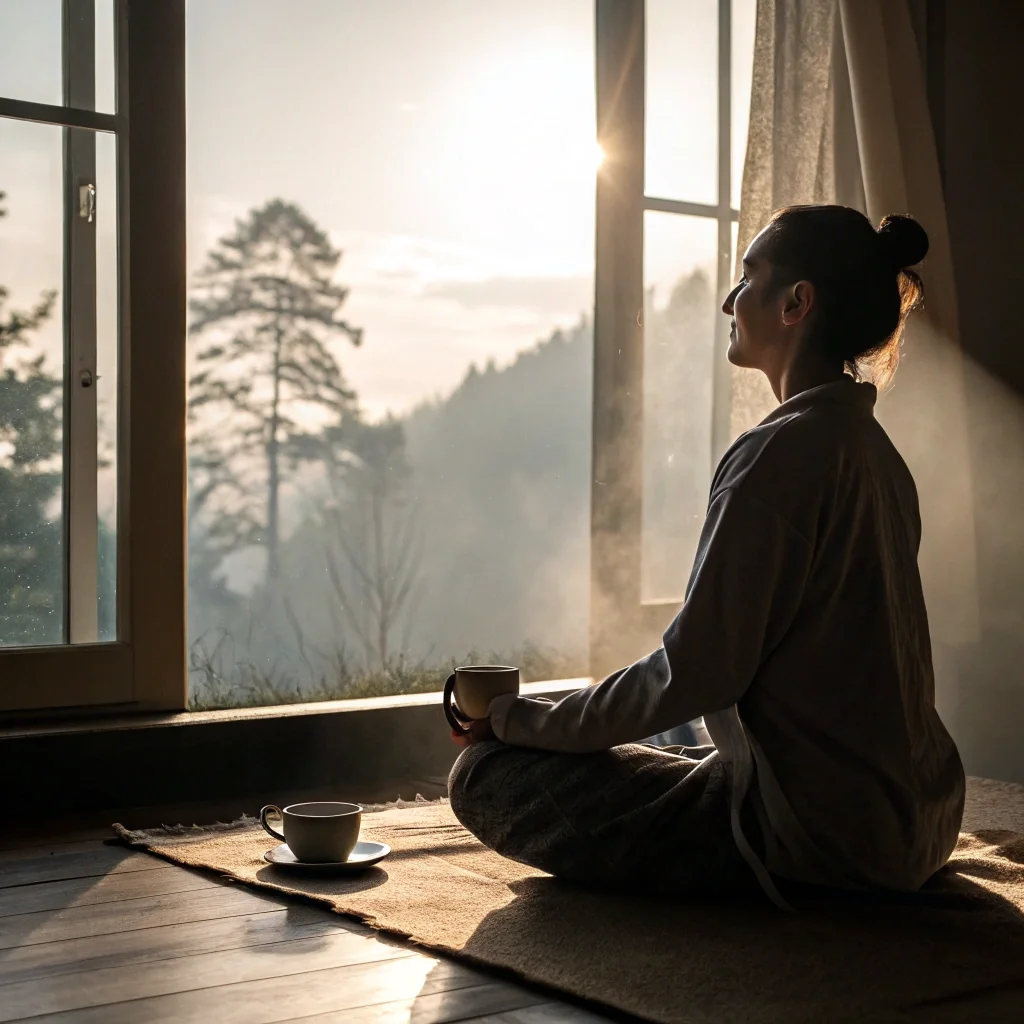
How you begin your morning shapes the rest of your day. A mindful morning ritual sets a calm and intentional tone.
This doesn’t mean a long routine — even 10 minutes can make a difference. You might stretch, meditate, sip tea slowly, or simply sit quietly while setting your intentions for the day. The key is to choose practices that feel nourishing, not rushed.
When your day begins mindfully, you carry a sense of groundedness with you, making it easier to respond calmly rather than react impulsively.
8. Mindful Coloring

Mindful coloring combines creativity with calm focus. Using adult coloring books or simple sketches, you engage with shapes and colors in a meditative way.
As you color, let go of any pressure to “create art.” Instead, notice the movements of your hand, the choice of colors, and the satisfaction of filling the page. The repetitive act becomes soothing, like a moving meditation.
This practice encourages relaxation and often leads to a flow state, where time disappears and the mind is free from worries. Coloring is not just for children — it is a powerful, playful way to reconnect with presence.
9. Affirmation Practice
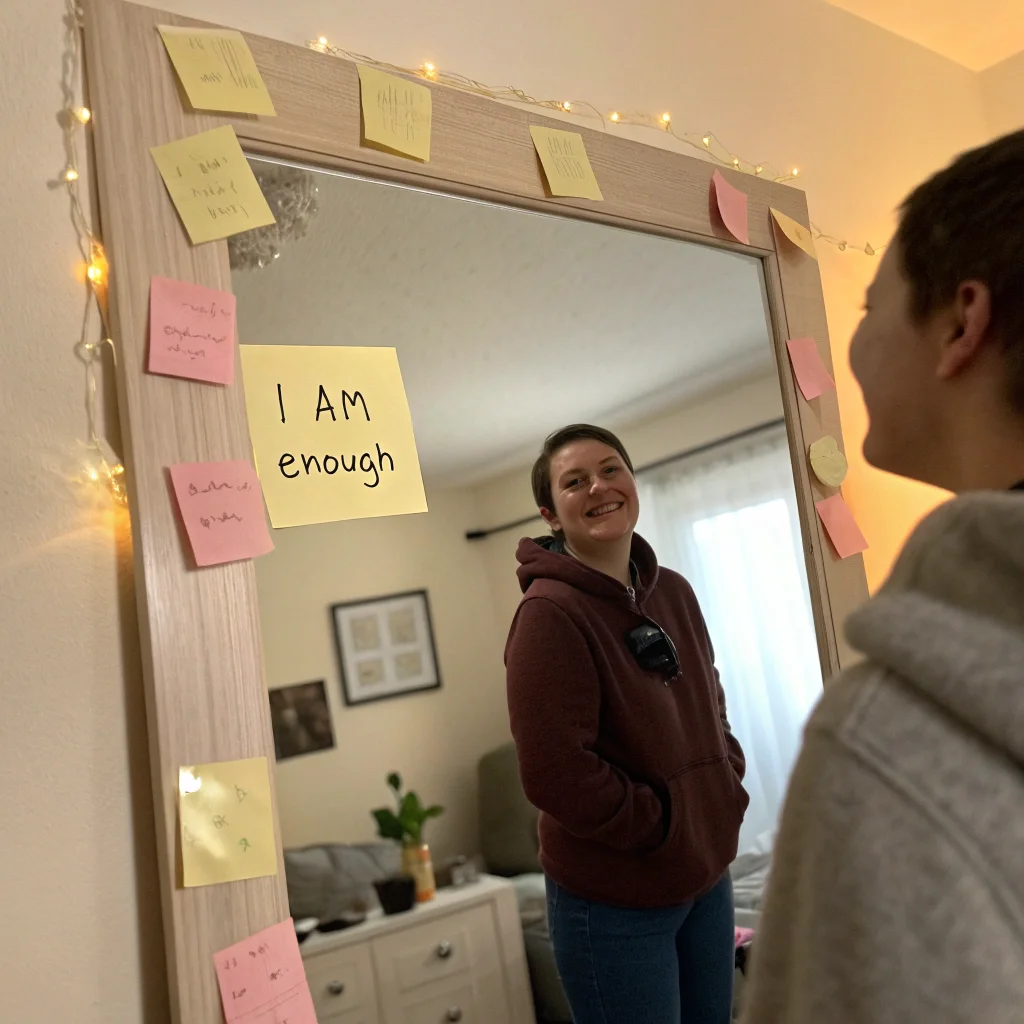
Words have energy, and the ones we repeat shape our mindset. Affirmations are positive, intentional statements that remind us of our strength and worth.
Begin your day by speaking affirmations aloud or writing them down. Examples include: I am enough. I am calm and centered. I welcome peace into my life. Choose statements that feel authentic to you.
Over time, affirmations shift your inner dialogue from self-doubt to self-compassion. They also serve as anchors throughout the day — whenever stress arises, you can return to these empowering words.
10. Mindful Listening

Listening is often underrated, yet it is one of the most profound acts of mindfulness. Too often, we listen to reply rather than to truly hear.
When someone speaks, put away distractions and give them your full attention. Notice their tone, body language, and emotions behind the words. Resist the urge to interrupt or plan your response. Simply be present.
Mindful listening strengthens relationships, deepens empathy, and creates meaningful connections. It is a gift — both to others and to yourself.
11. Evening Wind-Down Routine

The way you end your day is just as important as how you start it. A mindful evening routine signals to your mind and body that it’s time to rest.
This could include dimming the lights, sipping herbal tea, journaling about your day, or practicing gentle stretches. The key is consistency — creating rituals that calm you down night after night.
With time, your body associates these practices with rest, leading to deeper, more restorative sleep. Mindfulness before bed helps you release the day and step into the next with clarity.
12. Mindfulness Reminders
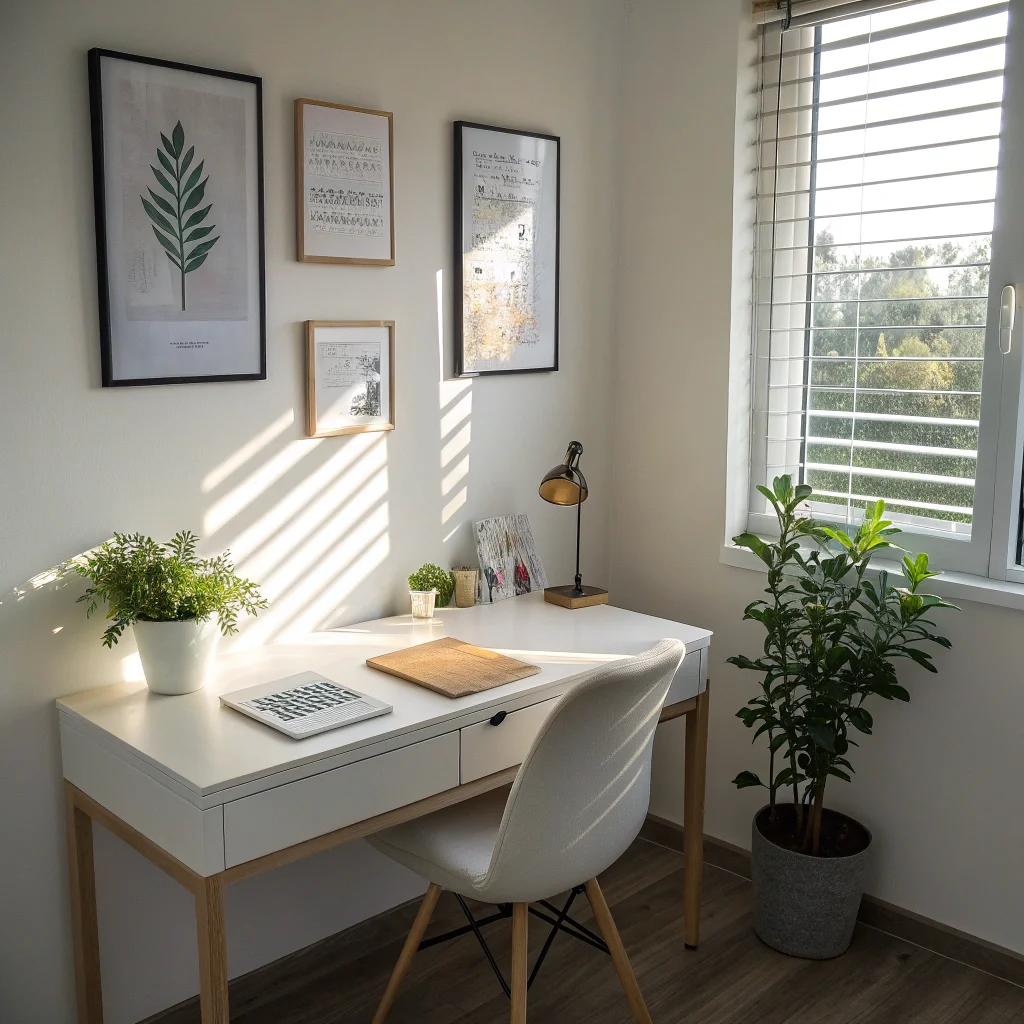
In the rush of life, it’s easy to forget mindfulness. That’s why gentle reminders can be powerful.
Place quotes, calming images, or meaningful objects in spaces you see often — on your desk, mirror, or phone background. Each time you notice them, pause, take a breath, and return to the present moment.
Mindfulness reminders transform daily life into practice. Instead of waiting for the “perfect moment” to meditate, you’re continuously guided back to awareness, no matter where you are.
Conclusion
Mindfulness isn’t about escaping the world — it’s about learning to live fully within it. These 12 practices invite you to slow down, notice the present, and reconnect with yourself.
You don’t need to adopt them all at once. Begin with one or two that resonate most, and allow them to grow naturally into your life. Over time, mindfulness shifts from being an exercise to being a way of living — one filled with calm, clarity, and joy.
Peace is not somewhere distant. It is here, in this very breath, waiting for you to notice.


