

Top 13 Mindful Parenting Techniques to Strengthen Your Family Bond and Bring More Joy to Everyday Life
Parenting in today’s fast-paced, distraction-filled world can feel like juggling while running a marathon. But mindful parenting isn’t about being perfect — it’s about being present. It’s about slowing down enough to really see your child, hear them, and connect with them on a deeper level.
By practicing these mindful parenting techniques, you can create a calmer home environment, foster emotional intelligence, and build relationships rooted in trust and love. Here’s how you can start.
1. Be Fully Present in the Moment

When your child is talking to you, give them the gift of your undivided attention. Put down your phone, close your laptop, and focus entirely on what they’re saying — not just the words, but the feelings behind them.
Presence shows your child they matter more than any notification or to-do list. Even a few minutes of pure, distraction-free connection can mean the world.
2. Start a Daily Gratitude Practice

End the day by sharing a few things you’re grateful for — and invite your child to do the same. This simple ritual shifts the focus from what’s missing to what’s already beautiful in your life.
You could also create a “gratitude jar” where each family member drops in a note of appreciation. On tough days, open it together to remember the good moments.
3. Listen to Understand, Not Just to Reply

Active listening means hearing with your heart, not just your ears. Instead of jumping in with advice, pause and make sure your child feels heard and understood.
This builds trust and makes it easier for them to share their feelings in the future, even about difficult topics.
4. Create Mindful Moments Together

Mindfulness doesn’t require an hour of meditation. You can share mindful moments in everyday life — a slow walk noticing the sounds of birds, a few deep breaths together before dinner, or even just sitting quietly watching the sunset.
These moments teach children that stillness and presence can be a source of peace.
5. Make Learning Playful

Turn routine activities into opportunities for curiosity and creativity. Cooking dinner can become a mini science experiment. A trip to the grocery store can turn into a scavenger hunt for colorful fruits and vegetables.
Playful learning sparks joy and builds skills without the pressure of “formal” lessons.
6. Teach Emotional Awareness Early
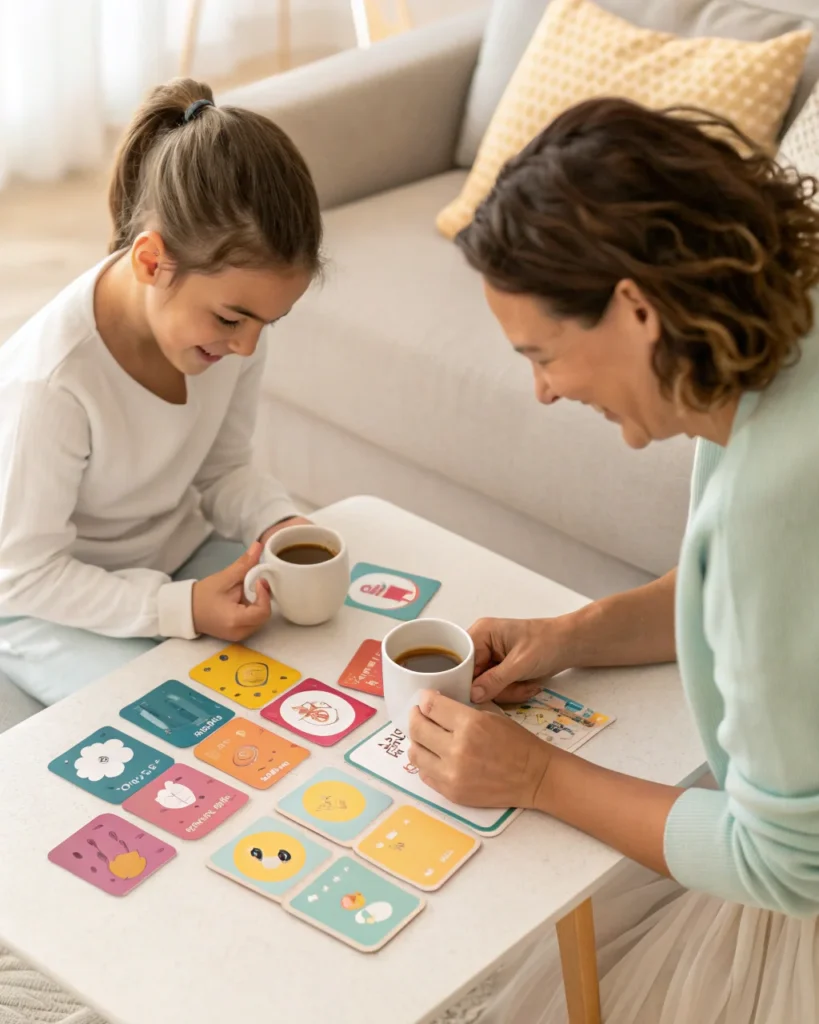
Help your child put words to their emotions by gently labeling what you notice: “It sounds like you’re feeling frustrated” or “I see you’re really excited about this.”
When emotions are acknowledged instead of ignored, children learn healthy ways to express themselves and empathize with others.
7. Set an Intention Before Family Time
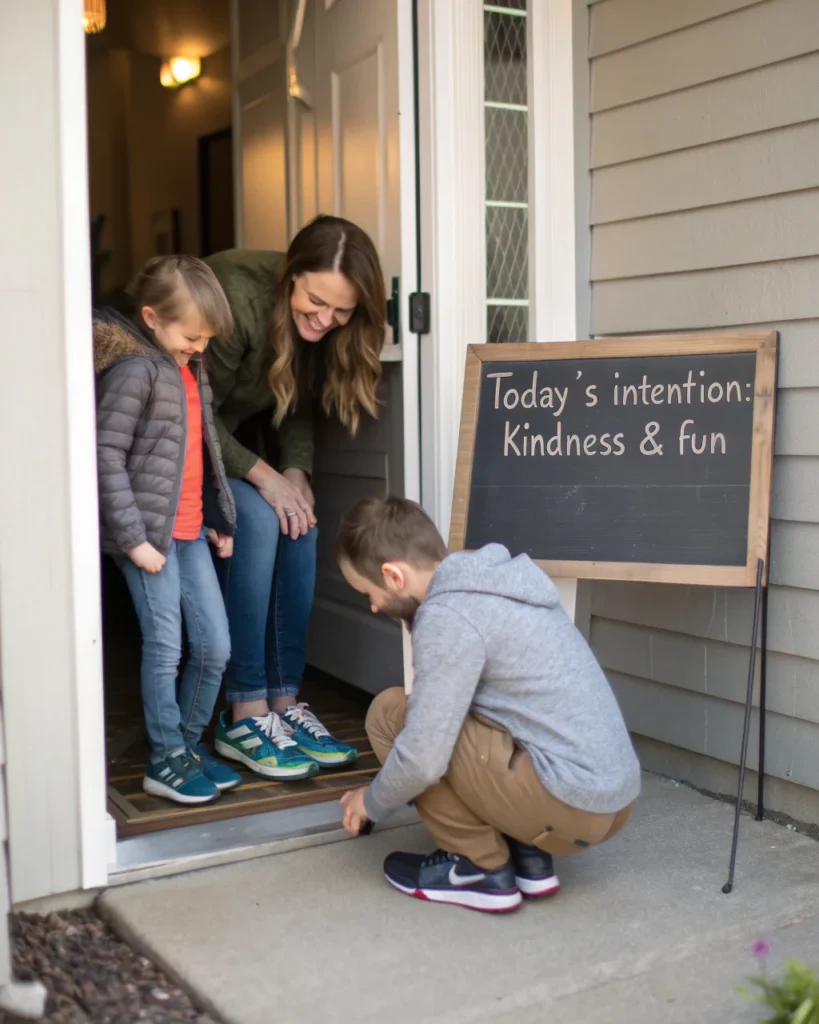
Before starting an activity — whether it’s dinner, game night, or a day trip — take a moment to decide together how you want it to feel. Maybe the goal is “to laugh a lot” or “to be kind to each other.”
This small habit can make time together more purposeful and connected.
8. Celebrate Progress, Not Just Big Wins
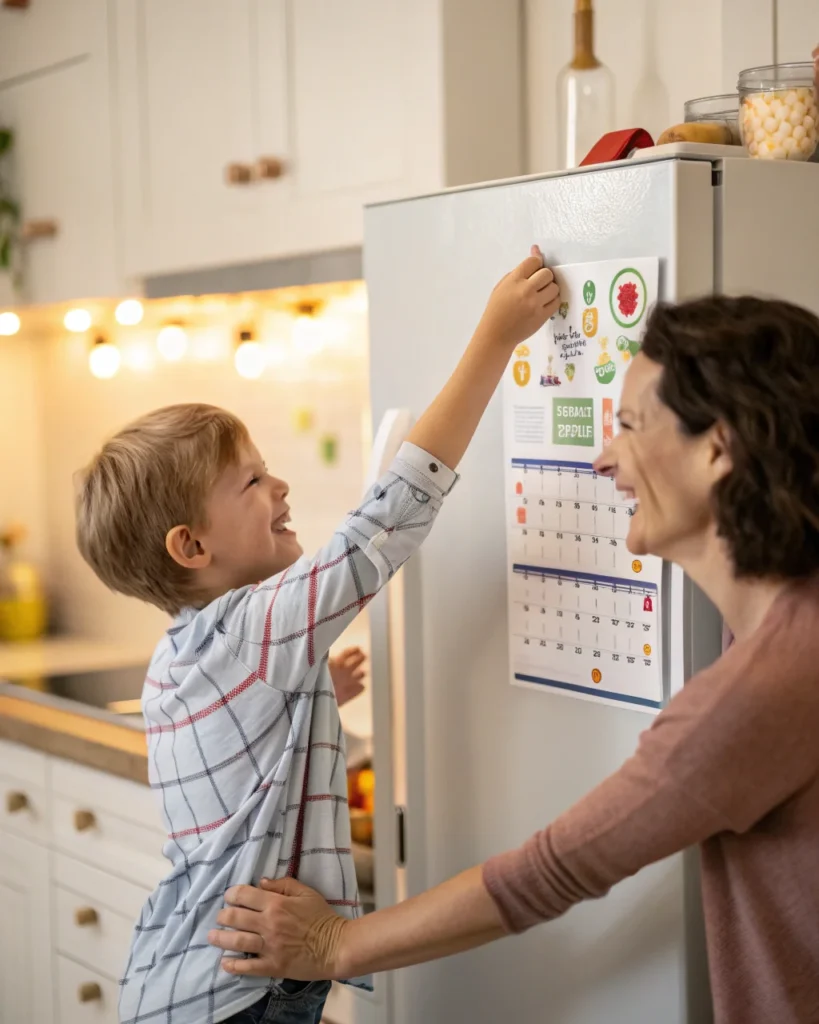
Your child doesn’t need to win a trophy to be celebrated. Notice when they’ve worked hard, been kind, or overcome a challenge.
These small acknowledgments fuel their motivation and self-esteem far more than occasional big rewards.
9. Lead by Example in Mindfulness
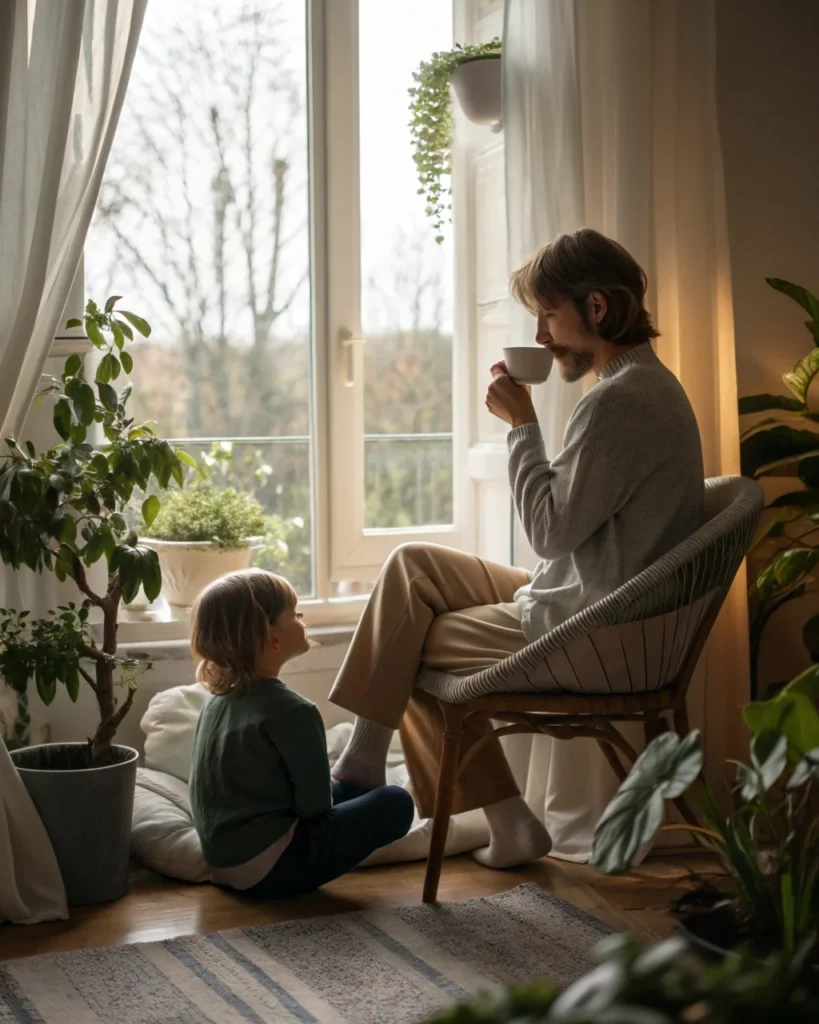
Children absorb what they see more than what they’re told. Show them mindfulness in your own life — pausing to enjoy your tea, taking deep breaths before responding in a heated moment, or savoring a family meal without screens.
10. Get Outside and Connect with Nature

Nature has a way of slowing us down and lifting our moods. Regular outdoor activities — gardening, hiking, or even cloud-watching — not only reduce stress but also foster curiosity and appreciation for the world around us.
11. Use Screens with Intention

Technology isn’t the enemy, but mindless scrolling can rob us of quality time. Create clear screen-time boundaries for the whole family, and replace some of that time with activities that strengthen bonds — like cooking together, playing board games, or crafting.
12. Visualize Dreams Together
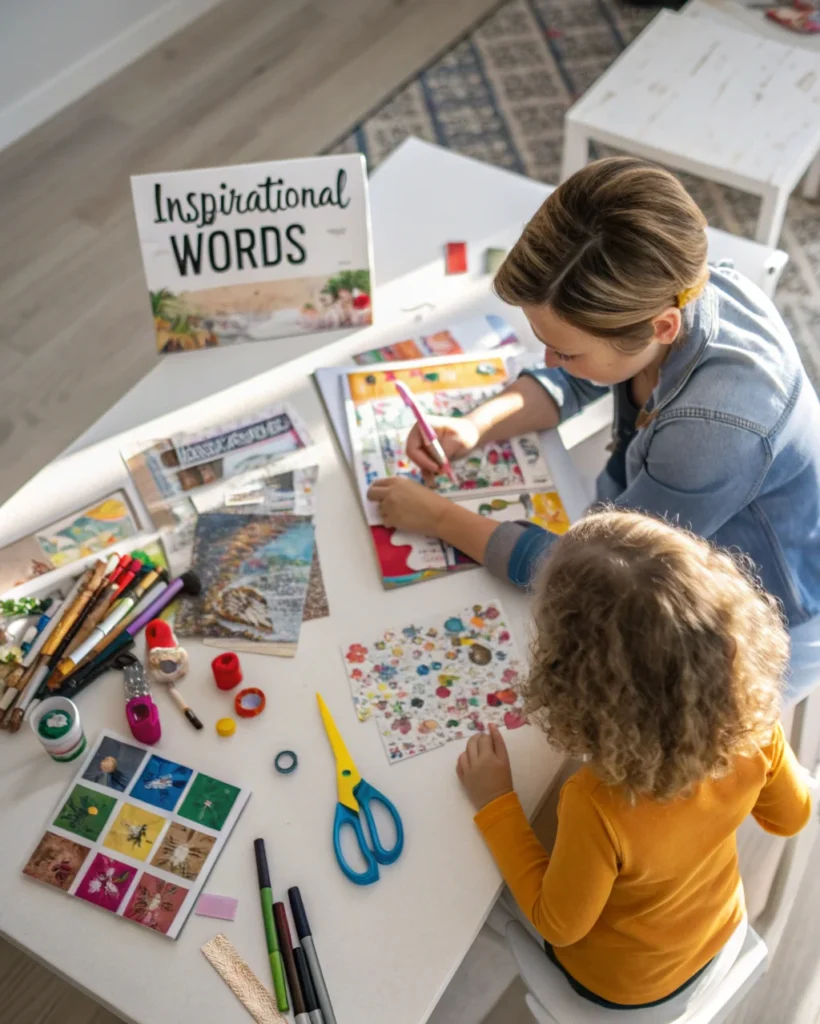
A family vision board is a fun, creative way to share hopes and dreams. Whether it’s future travel plans, personal goals, or family values, the process of creating it can spark meaningful conversations and inspire teamwork toward shared aspirations.
13. Practice Self-Compassion as a Parent

Mindful parenting isn’t about doing it “right” all the time — it’s about showing up with love, even when you make mistakes. Be gentle with yourself on hard days.
When you model self-compassion, your child learns that it’s okay to be imperfect and still worthy of kindness.
Final Thoughts
Mindful parenting is less about adding more to your already full plate and more about shifting how you approach what’s already there. By slowing down, listening deeply, and leading with empathy, you can nurture not just a well-behaved child, but a confident, compassionate human being — and a stronger, more joyful family bond in the process.

